
Vital Roles of Women in Viking History
The Viking Age, often painted with broad strokes of raiders and warriors, conceals a rich tapestry of social dynamics where women played pivotal roles. As I delve into the depths of this era, I find myself drawn not only to the clash of swords but to the quieter, yet no less powerful, influence of women. Their lives were woven into the very fabric of Viking society, shaping its culture, economy, and legacy. This exploration reveals how women were far more than mere bystanders; they were architects of their world.
Women in Viking History: Beyond the Shieldmaiden Myth
When we think of Vikings, images of fierce shieldmaidens often spring to mind. Yet, the reality of women in Viking history is far more nuanced and profound. Women managed households, controlled property, and even influenced political decisions. Their status was unique compared to many other contemporary societies.
In Viking communities, women could inherit land and wealth, a right that empowered them economically and socially. This autonomy allowed them to run farms, oversee trade, and maintain the family’s prosperity during the men’s frequent absences on raids or expeditions. The sagas and archaeological finds reveal women as landowners and business managers, entrusted with safeguarding their family’s future.

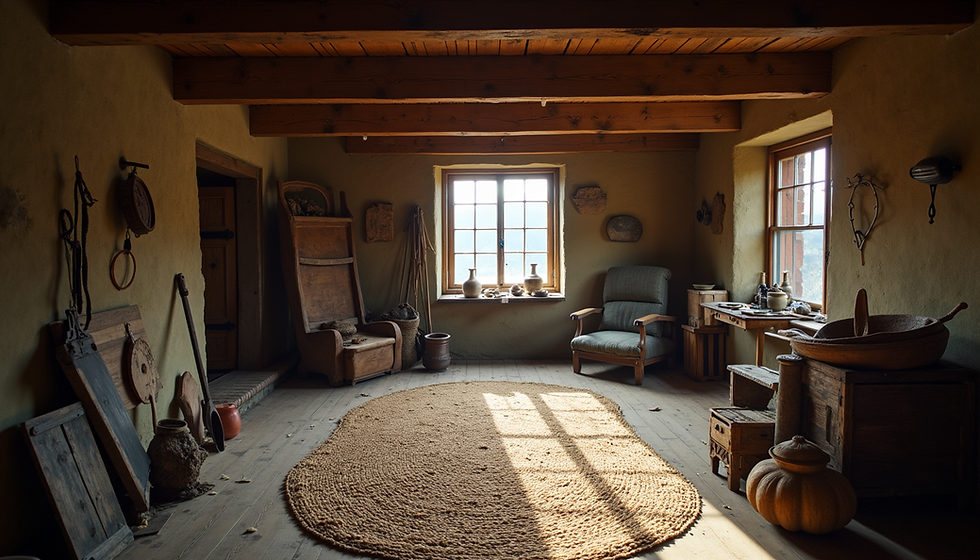
The Viking longhouse - the heart of family and female authority
Moreover, women were custodians of culture and tradition. They passed down stories, songs, and customs, ensuring the continuity of Viking identity. Their role in religious practices was also significant, often acting as priestesses or seers, guiding spiritual life and community decisions.
What did Vikings do when a girl turned 12?
The transition from childhood to adulthood in Viking society was marked by important rites of passage, especially for girls. When a girl turned 12, she was considered to be on the cusp of womanhood, ready to take on new responsibilities and roles within the family and community.
At this age, girls began learning the skills necessary for managing a household, including weaving, cooking, and childcare. They were also introduced to the social expectations of marriage and motherhood. This period was crucial for their education in both practical and social matters, preparing them for the challenges ahead.
Marriage arrangements often started around this time, with families negotiating alliances that could strengthen their social and economic standing. Girls were taught the importance of loyalty, honour, and resilience, qualities essential for their future roles as wives and mothers.

Weaving tools symbolising the skills taught to Viking girls as they matured
This phase was not merely about preparation but also about empowerment. Girls were encouraged to develop a strong sense of identity and responsibility, laying the groundwork for their influential roles in Viking society.
The Economic and Social Power of Viking Women
Viking women wielded considerable economic power. They were often the stewards of the family estate, especially when men were away on voyages. This responsibility was not trivial; managing resources, negotiating with traders, and overseeing workers required sharp acumen and leadership.
Women’s control over property was legally recognised, giving them a degree of independence rare in medieval Europe. They could buy and sell land, inherit from relatives, and even represent their families in legal matters. This legal standing provided a foundation for their social influence.
Socially, women were central to the community’s cohesion. They organised feasts, maintained alliances through marriage, and upheld the moral fabric of their society. Their homes were centres of hospitality and diplomacy, where decisions were made and relationships nurtured.
The sagas often highlight women’s wisdom and counsel, portraying them as advisers to kings and chieftains. Their voices carried weight in matters of peace and conflict, demonstrating that power in Viking society was not solely the domain of men.
Women as Warriors and Explorers: Fact and Fiction
The image of the Viking shieldmaiden captivates the imagination, blending history with legend. While archaeological evidence of women warriors is limited, it is undeniable that some women took up arms and fought alongside men.
Grave finds, such as the famous Birka warrior burial in Sweden, have challenged traditional assumptions. DNA analysis revealed that the warrior buried with weapons and armour was female, suggesting that women could indeed participate in combat roles.
However, these women were exceptions rather than the rule. Most Viking women contributed to their society through other vital roles, yet the possibility of female warriors adds a thrilling dimension to our understanding of Viking life.
Exploration was another arena where women left their mark. Some women accompanied voyages, managing settlements and ensuring the survival of new communities. Their resilience and adaptability were crucial in the harsh environments of the North Atlantic and beyond.
The Spiritual and Cultural Influence of Viking Women
Religion and spirituality were deeply embedded in Viking life, and women played key roles in these realms. As priestesses or völvas, they acted as intermediaries between the gods and the people, performing rituals, divining the future, and offering guidance.
These spiritual leaders held significant authority, often consulted by chieftains and warriors before battles or important decisions. Their presence underscored the respect accorded to women’s insight and intuition.
Culturally, women were the keepers of oral tradition. Through storytelling, poetry, and song, they preserved the myths and histories that defined Viking identity. This cultural transmission was essential for maintaining a sense of community and continuity.
Their artistic contributions, from intricate textiles to jewellery, also reflected their creativity and skill, enriching Viking material culture and symbolising status and identity.
Reflecting on the Legacy of Viking Women
As I reflect on the multifaceted roles of women in Viking society, I am struck by their resilience, influence, and complexity. They were not merely background figures but active participants shaping their world in profound ways.
Understanding the role of women in Viking society enriches our appreciation of this fascinating era. It challenges stereotypes and invites us to see history through a more inclusive lens.
For those passionate about history, educators, and students alike, exploring these stories offers valuable lessons about gender, power, and culture. It reminds us that history is not just about battles and kings but about the people who lived, loved, and led in their own right.
The legacy of Viking women continues to inspire, inviting us to uncover the hidden narratives that history often overlooks. Their stories are a testament to the enduring strength and spirit of women throughout the ages.

Comments