
Unveiling Cultural Viking Insights From Viking Eras
The Viking Age was a period of remarkable cultural exchange, exploration, and influence that extended far beyond the familiar image of raiding Norsemen. As I delved into the interconnected geography of the Viking world, I discovered how their interactions shaped diverse regions across Europe and beyond. This post explores five key geographical and cultural pillars of the Viking Age, revealing the rich tapestry of their legacy.
The Eastern Way: Vikings in Russia and Byzantium
One of the most fascinating aspects of Viking history lies in their eastern ventures. The Varangians, as Vikings were known in the East, played a crucial role in the formation of the Kievan Rus' and served as elite guards in the Byzantine Empire.
The Varangian Guard in Constantinople was an elite unit of Norse warriors who protected the Byzantine Emperor. Their presence in the Bosporus region symbolised a unique cultural fusion between Norse and Byzantine traditions. These warriors were not only fierce fighters but also diplomats and traders, bridging two vastly different worlds.
Trade routes along the Dnieper and Volga rivers were vital arteries for commerce and cultural exchange. Vikings navigated these waterways to trade furs, slaves, and amber for silks, spices, and silver from the East. This network connected Scandinavia with the Khazars, Slavic tribes, and the emerging Kievan Rus', fostering a dynamic cultural and economic landscape.
The interaction with the Khazars and Slavic peoples was complex, involving alliances, conflicts, and intermarriage. These relationships influenced the political and social structures of the region, contributing to the development of early Russian statehood.

The Mediterranean and Southern Europe: Vikings Beyond the North
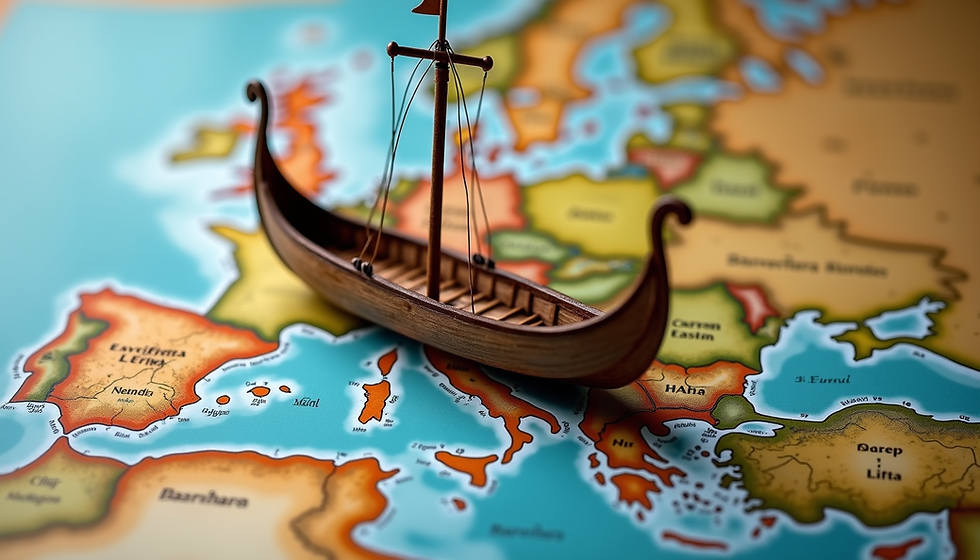
While the Vikings are often associated with northern Europe, their reach extended deep into the Mediterranean and southern Europe. Their voyages to these regions reveal a different side of Viking culture - one of adaptability and integration.
Vikings ventured into the Mediterranean through the rivers of France and Spain, reaching as far as Sicily and North Africa. In southern Europe, they engaged in trade, raiding, and even mercenary work. Their presence in these areas introduced Norse cultural elements while absorbing local customs and practices.
The Mediterranean climate and culture influenced Viking art, weaponry, and shipbuilding techniques. For example, Viking longships incorporated design elements inspired by Mediterranean vessels, enhancing their seaworthiness for long voyages.
Moreover, Vikings established trading posts and settlements in southern Europe, facilitating the exchange of goods such as wine, olive oil, and textiles. These interactions enriched both Viking and Mediterranean societies, creating a vibrant cultural mosaic.

The Western Frontiers: Vikings in the British Isles and Ireland
The British Isles and Ireland were central to Viking expansion in the west. These regions witnessed intense cultural interactions that shaped their history and identity.
Vikings established significant settlements in places like Dublin, York, and the Orkney Islands. These settlements became hubs of commerce, craftsmanship, and cultural exchange. The Norse influence is evident in local place names, language, and legal traditions that persist today.
In Ireland, Vikings integrated with Gaelic society, leading to a unique blend of Norse and Irish cultures. This fusion is visible in art, mythology, and social structures. The Vikings also introduced new technologies and trade networks that boosted the local economy.
The British Isles served as a launching point for further Viking expeditions to Iceland, Greenland, and even North America, highlighting their role as a cultural and geographical bridge.
The Northern Homelands: Scandinavia’s Cultural Core
Understanding Viking culture requires a deep look at their Scandinavian homelands. This region was the heartland of Norse society, where traditions, beliefs, and social structures were forged.
Scandinavia’s rugged landscape and harsh climate shaped the Vikings’ resilience and resourcefulness. Their mythology, centred on gods like Odin and Thor, reflected their values of bravery, honour, and fate. These beliefs influenced their art, poetry, and daily life.
Socially, Viking society was organised into clans and chieftaincies, with a strong emphasis on kinship and loyalty. The Thing, a form of assembly, was a democratic institution where free men could voice opinions and resolve disputes.
Trade and craftsmanship flourished in Scandinavia, producing weapons, jewellery, and textiles that were highly prized across Europe. The Vikings’ shipbuilding expertise was unmatched, enabling their expansive voyages.
The Northern Atlantic: Vikings in Iceland, Greenland, and Beyond
The Vikings were pioneers of exploration, reaching the farthest edges of the known world at the time. Their settlements in Iceland and Greenland represent remarkable feats of navigation and adaptation.
Iceland became a cultural and political centre for Norse settlers, preserving sagas and legal traditions that provide invaluable insights into Viking life. The island’s isolation fostered a unique cultural identity while maintaining strong ties to Scandinavia.
Greenland’s harsh environment tested Viking resilience. Settlers adapted their farming and hunting techniques to survive, demonstrating their ingenuity. These colonies also served as stepping stones for voyages to North America, centuries before Columbus.
The Northern Atlantic voyages highlight the Vikings’ role as connectors of diverse cultures and geographies, expanding the boundaries of the medieval world.
Exploring these five geographical and cultural pillars reveals the Vikings as more than raiders - they were traders, diplomats, settlers, and cultural intermediaries. Their legacy is a testament to the power of cultural exchange and adaptation.
For those interested in deeper exploration, I recommend checking out cultural viking blog insights for comprehensive resources and discussions on this fascinating era.
By understanding the Vikings through these interconnected regions, we gain a richer, more nuanced picture of their impact on history and culture. This approach not only honours their legacy but also establishes a foundation for ongoing research and education in Norse history.

Comments