
Unveiling Viking Life and History in the Dark Ages
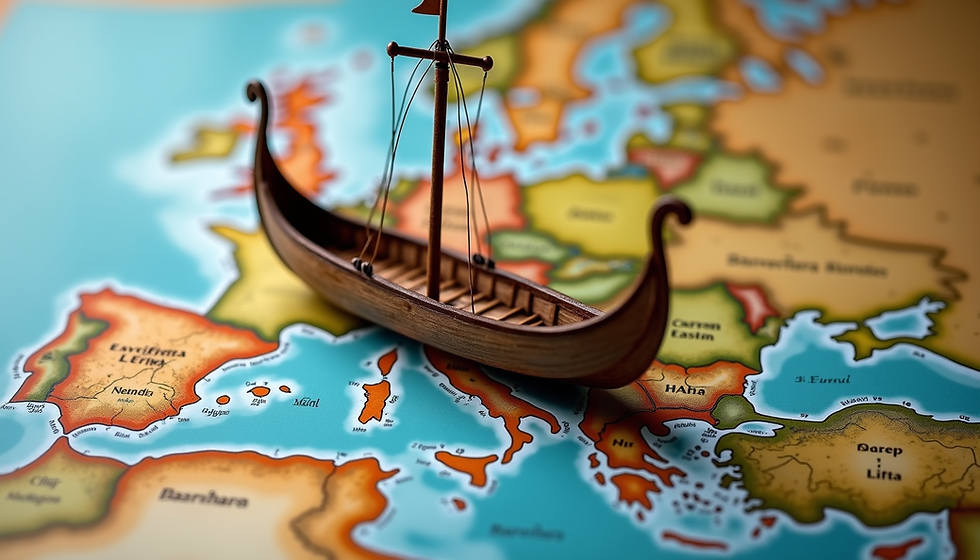
The Viking Age, often shrouded in mystery and myth, was a period of remarkable cultural exchange, exploration, and conflict. To truly understand Viking life and history, one must look beyond the stereotypical image of raiders and warriors. The Vikings were also traders, settlers, and diplomats who interacted with a vast network of peoples across Europe and Asia. This post explores the interconnected geography of the Viking Age, focusing on five key regions that shaped their world.
Viking Life and History in the Eastern Way: Russia and Byzantium
The Eastern Way was a crucial axis of Viking activity, stretching from the forests of Scandinavia to the bustling cities of Byzantium. The Varangians, as the Vikings were known in the East, played a significant role in the Byzantine Empire. Many served in the elite Varangian Guard, the personal bodyguards of the Byzantine emperors, stationed in Constantinople on the Bosporus Strait. This elite unit was famed for its loyalty and fierce combat skills.
Trade routes along the Dnieper and Volga rivers connected the Vikings to the Khazars, Slavic tribes, and the emerging Kievan Rus' state. These waterways were vital arteries for commerce, allowing the exchange of furs, slaves, amber, and silver. The Vikings established trading posts and settlements along these rivers, blending Norse culture with Slavic and Turkic influences.
The interaction with the Khazars, a powerful Turkic people, was particularly significant. The Khazars controlled key trade routes and acted as intermediaries between the Vikings and the Islamic world. This connection facilitated the flow of goods and ideas, enriching Viking society and expanding their horizons far beyond Scandinavia.

Viking Life and History in the Mediterranean and Southern Europe
The Mediterranean Sea was another frontier for Viking exploration and influence. Southern Europe, with its rich cities and diverse cultures, attracted Viking adventurers who sought wealth and new opportunities. Vikings ventured into the Mediterranean through the rivers of France and Spain, reaching as far as Italy and North Africa.
In the Mediterranean, Vikings encountered the remnants of the Roman Empire, the rising powers of the Islamic Caliphates, and the Byzantine Empire. They engaged in both trade and raiding, sometimes serving as mercenaries or allies in local conflicts. The Mediterranean voyages expanded Viking knowledge of shipbuilding, navigation, and warfare.
One notable example is the Viking presence in Sicily and southern Italy, where Norse mercenaries fought alongside local rulers. These interactions influenced Viking tactics and culture, demonstrating their adaptability and openness to foreign ideas.

The Western Frontiers: Britain and Ireland
The British Isles were among the most heavily impacted regions during the Viking Age. From the late 8th century, Vikings launched raids on monasteries and coastal settlements, drawn by the wealth and relative vulnerability of these targets. Over time, these raids evolved into full-scale invasions and settlements.
Viking settlers established the Danelaw in England, a region where Norse law and customs prevailed. This area became a melting pot of Anglo-Saxon and Norse cultures, influencing language, law, and place names that persist today. In Ireland, Vikings founded key coastal cities such as Dublin, Waterford, and Limerick, which became important trading hubs.
The Vikings' impact on Britain and Ireland was profound, reshaping political boundaries and cultural landscapes. Their legacy is visible in archaeological sites, historical records, and the genetic makeup of the population.
The Northern Homelands: Scandinavia and the Viking Society
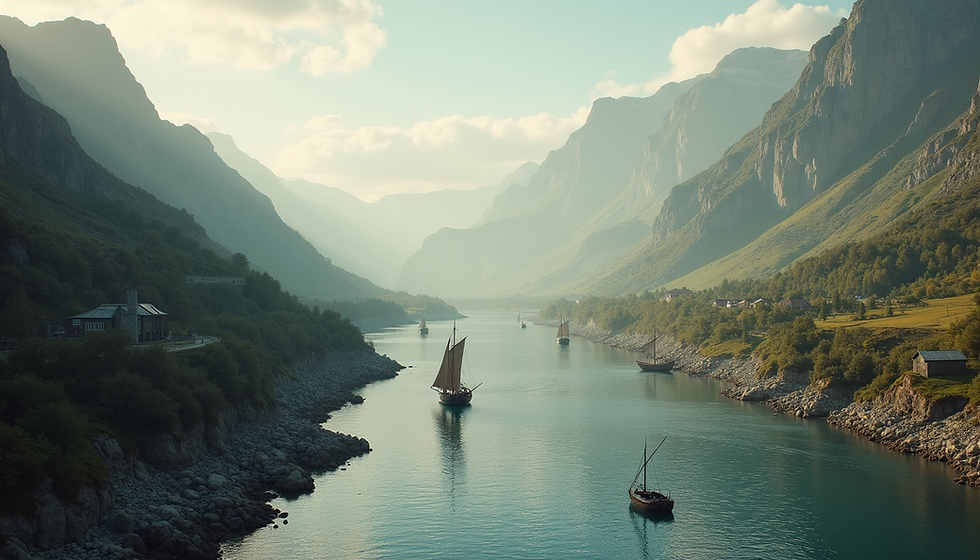
At the heart of Viking life and history lies Scandinavia itself - the rugged lands of Norway, Sweden, and Denmark. This region was the cradle of Viking culture, where social structures, beliefs, and traditions took shape.
Viking society was organised around clans and chieftains, with a strong emphasis on honour, loyalty, and martial prowess. The Norse pantheon of gods, including Odin, Thor, and Freyja, influenced daily life and inspired sagas that recorded heroic deeds and moral lessons.
Economically, the Vikings were skilled farmers, craftsmen, and traders. Their longships, renowned for speed and versatility, enabled them to navigate rivers and seas alike. This technological edge facilitated their expansion and dominance during the Dark Ages.
Understanding the social fabric of Viking homelands helps explain their motivations for exploration and conquest, as well as their resilience in foreign lands.
The Northern Atlantic and Beyond: Greenland, Iceland, and Vinland
The Viking Age was also an era of remarkable exploration. Beyond Europe, Vikings ventured into the North Atlantic, discovering and settling new lands. Iceland was colonised around 870 AD, becoming a unique Norse society with its own laws and literary tradition.
From Iceland, Vikings sailed westward to Greenland and even reached the shores of North America, known to them as Vinland. These voyages demonstrate the Vikings' exceptional seafaring skills and their desire to explore unknown territories.
The settlements in Greenland and Vinland were short-lived but left a lasting impression on the history of exploration. They also highlight the Vikings' role as pioneers who connected disparate parts of the world long before other Europeans.
Reflecting on Viking Legacy and Influence
The Viking Age was a complex and dynamic period that reshaped the medieval world. By examining the interconnected geography of Viking activity - from the Eastern Way through the Mediterranean to the Atlantic frontiers - we gain a fuller picture of their life and history.
For those eager to learn about the dark ages viking history, it is essential to appreciate the Vikings not just as raiders but as traders, settlers, and cultural intermediaries. Their legacy is woven into the fabric of many modern societies, influencing language, law, and cultural identity.
Exploring Viking history through these geographical and cultural pillars offers valuable insights into how a relatively small group of people could impact such a vast and diverse world. It also underscores the importance of viewing history through a broad, interconnected lens.
The story of the Vikings is far from over - it continues to inspire curiosity, scholarship, and a deeper understanding of the past.
Comments