
Unveiling Viking History Blogs in the UK
The Viking Age, a tempest of exploration, conquest, and cultural fusion, continues to captivate minds centuries later. As I delve into the rich tapestry of Norse sagas and archaeological discoveries, I find myself drawn to the vibrant world of Viking history blogs in the UK. These digital chronicles offer a portal into the past, blending scholarly insight with vivid storytelling that breathes life into ancient runes and rugged landscapes. Join me as I explore the best of these blogs, uncovering how they illuminate the shadowy corners of the Viking Dark Ages with clarity and passion.
Exploring the Landscape of Viking History Blogs UK
The United Kingdom, with its rugged coastlines and ancient settlements, is a treasure trove of Viking heritage. From the haunting ruins of York’s Jorvik Viking Centre to the mysterious burial mounds scattered across the north, the echoes of Norse footsteps resonate deeply here. Viking history blogs UK capture this essence, weaving together archaeological findings, historical analysis, and cultural reflections.
These blogs serve as invaluable resources for anyone eager to understand the Vikings beyond the clichés of horned helmets and marauding warriors. They offer detailed accounts of Viking settlements, trade routes, and their profound influence on British history. For example, many blogs highlight the Danelaw’s impact on English law and language, revealing how Norse culture integrated with Anglo-Saxon traditions.
What sets these blogs apart is their ability to combine rigorous research with engaging narratives. They often feature:
In-depth articles on Viking artefacts and their significance.
Interviews with archaeologists and historians.
Virtual tours of Viking sites across the UK.
Book reviews and recommendations for further reading.
This blend of content makes them perfect for educators seeking fresh material, students hungry for knowledge, and history enthusiasts craving immersive experiences.
The Art of Storytelling in Viking History Blogs UK
What truly mesmerises me about these blogs is their storytelling prowess. They do not merely recount facts; they paint vivid pictures of Viking life - the clang of blacksmiths’ hammers, the salty tang of sea spray on longships, the flickering shadows cast by firelight in timber halls. This sensory immersion transforms dry history into a living, breathing saga.
One blog I follow masterfully blends formal narration with bursts of poetic description. It opens with a scene of dawn breaking over a misty fjord, then seamlessly transitions into a detailed analysis of Viking navigation techniques. This rhythmic pacing keeps readers hooked, balancing complexity with clarity.
Moreover, many bloggers use evocative verbs and alliteration to enhance their prose. Phrases like “the Vikings voyaged valiantly” or “runes reveal riveting revelations” add a lyrical quality that enlivens the text. This stylistic choice not only entertains but also aids memory retention, making the history stick.
For those interested in the Viking Dark Ages, these blogs offer a treasure trove of stories about legendary figures such as Ragnar Lothbrok and Lagertha, as well as lesser-known heroes whose tales are equally compelling. The narrative often intertwines myth and history, inviting readers to ponder the blurred lines between legend and reality.
Navigating the Viking Dark Ages Through Digital Lenses
The Viking Dark Ages, spanning roughly from the late 8th to the 11th century, remain a period shrouded in mystery and myth. Yet, thanks to the meticulous work of historians and archaeologists featured in these blogs, the shadows are gradually lifting.
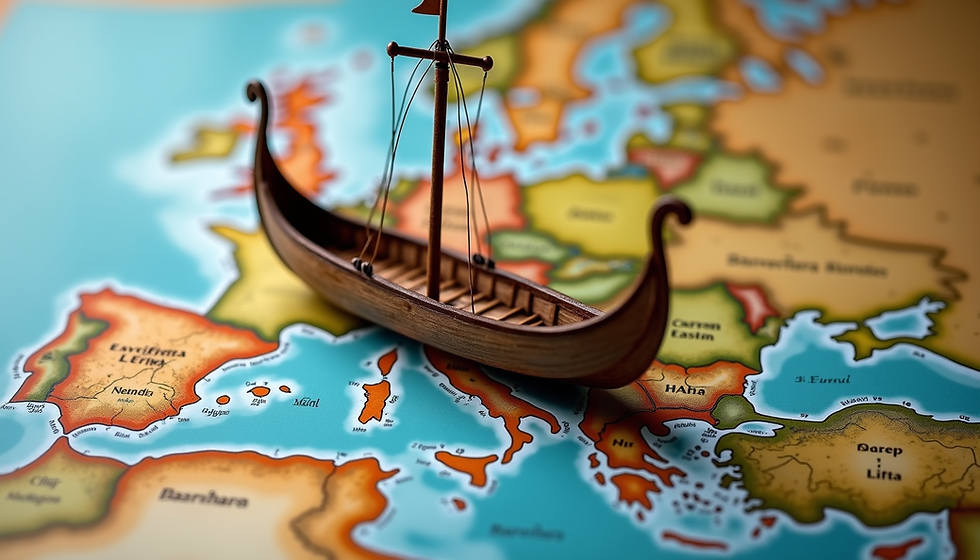
Many blogs provide detailed timelines and maps that chart Viking incursions, settlements, and cultural exchanges across the UK. These visual aids are invaluable for grasping the scope and scale of Viking influence. For instance, the spread of Viking place names like “-by” and “-thorpe” across northern England is a testament to their enduring legacy.
Additionally, blogs often delve into the archaeological methods used to uncover Viking artefacts. From carbon dating to ground-penetrating radar, these technological marvels bring the past into sharp focus. Some blogs even document recent excavations, offering real-time updates that make readers feel part of the discovery process.
The digital format also allows for interactive content such as quizzes, podcasts, and video documentaries. These multimedia elements cater to diverse learning styles, making Viking history accessible and engaging for a broad audience.
Engaging with the Viking Past: Practical Tips for Readers
If you’re eager to dive deeper into Viking history through blogs, here are some practical tips to enhance your journey:
Subscribe to newsletters from your favourite Viking history blogs to receive regular updates and exclusive content.
Join online forums and comment sections to engage with fellow enthusiasts and experts.
Follow recommended reading lists provided by bloggers to expand your knowledge.
Visit local museums and Viking heritage sites mentioned in blog posts to experience history firsthand.
Participate in virtual events or webinars hosted by bloggers or historians to ask questions and gain new perspectives.
By actively engaging with these resources, you transform passive reading into an interactive exploration. This approach not only deepens understanding but also fosters a community of like-minded individuals passionate about the Viking era.
The Future of Viking History Storytelling in the UK
As digital platforms evolve, so too does the way we experience history. Viking history blogs in the UK are at the forefront of this transformation, blending traditional scholarship with innovative storytelling techniques. Their mission aligns perfectly with Asta's Horae’s vision of immersive, educational historical storytelling.
Looking ahead, I anticipate these blogs will increasingly incorporate augmented reality (AR) and virtual reality (VR) to create even more immersive experiences. Imagine walking through a reconstructed Viking village or witnessing a longship launch from your living room. Such advancements promise to revolutionise how we connect with the past.
Moreover, the collaborative nature of blogging encourages ongoing dialogue between historians, educators, and readers. This dynamic exchange ensures that Viking history remains a living subject, continually enriched by fresh discoveries and diverse interpretations.
For those seeking a gateway into this fascinating world, I highly recommend exploring a viking history blog uk that resonates with your interests. The journey through time is as thrilling as it is enlightening.
In the end, the allure of Viking history blogs lies in their ability to bridge centuries, bringing the distant past into vivid focus. Through meticulous research, evocative storytelling, and innovative digital tools, they invite us to walk alongside the Vikings - to hear the creak of their ships, feel the chill of northern winds, and glimpse the dawn of a transformative era. This is history not just read, but lived.

Comments