
Teaching Viking History in Schools: A Journey into Viking History Education
- Eddy Jackson MBE
- Dec 22, 2025
- 5 min read
Updated: Dec 31, 2025
The Viking Age, a time of fierce warriors, daring explorers, and rich cultural tapestry, continues to captivate minds centuries later. As I delve into the art of teaching Viking history in schools, I find myself drawn to the vivid imagery of longships slicing through icy waters, the clang of swords in battle, and the intricate runes carved into ancient stones. This era is not just a chapter in a textbook; it is a living story that pulses with adventure, innovation, and complexity. Teaching Viking history education demands more than dates and facts - it requires breathing life into the past, making it tangible and thrilling for learners.
For monthly updates with occasional free books, complete the contact form.
The Importance of Viking History Education in Schools
Viking history education is essential for understanding the profound impact these Norse seafarers had on Europe and beyond. Their voyages reshaped trade routes, cultural exchanges, and even political boundaries. Yet, the Vikings are often reduced to stereotypes of bloodthirsty raiders. In reality, they were skilled artisans, traders, and settlers who contributed significantly to medieval society.
Incorporating Viking history into school curricula offers students a multifaceted view of the past. It encourages critical thinking about sources, challenges myths, and highlights the interconnectedness of history. For example, exploring the Viking influence on British place names or the archaeological finds in Scandinavia can spark curiosity and deepen comprehension.
To engage students effectively, educators can use a variety of methods:
Interactive storytelling: Narrate sagas and legends with dramatic flair to capture imaginations.
Hands-on activities: Recreate Viking crafts such as weaving or metalwork.
Field trips and virtual tours: Visit museums or use digital platforms to explore Viking artefacts.
Comparative studies: Contrast Viking society with contemporary cultures to understand differences and similarities.
By weaving these approaches into lessons, teachers can transform Viking history from a static subject into a dynamic experience.

Strategies for Engaging Students with Viking History Education
Engagement is the heartbeat of effective teaching. When it comes to Viking history education, the challenge lies in balancing scholarly accuracy with captivating delivery. I have found that layering sensory details and active participation helps students connect emotionally and intellectually.
One powerful strategy is to use primary sources such as the Icelandic sagas or runic inscriptions. These texts, though ancient, speak directly to us across time. Reading aloud passages that describe voyages or battles, with emphasis on rhythm and tone, can transport students to the Viking world.
Another approach is to incorporate role-playing and simulations. Assigning students roles as Viking explorers, traders, or villagers encourages empathy and deeper understanding. For instance, a classroom activity might involve planning a Viking expedition, considering navigation, supplies, and risks. This not only teaches historical facts but also develops problem-solving skills.
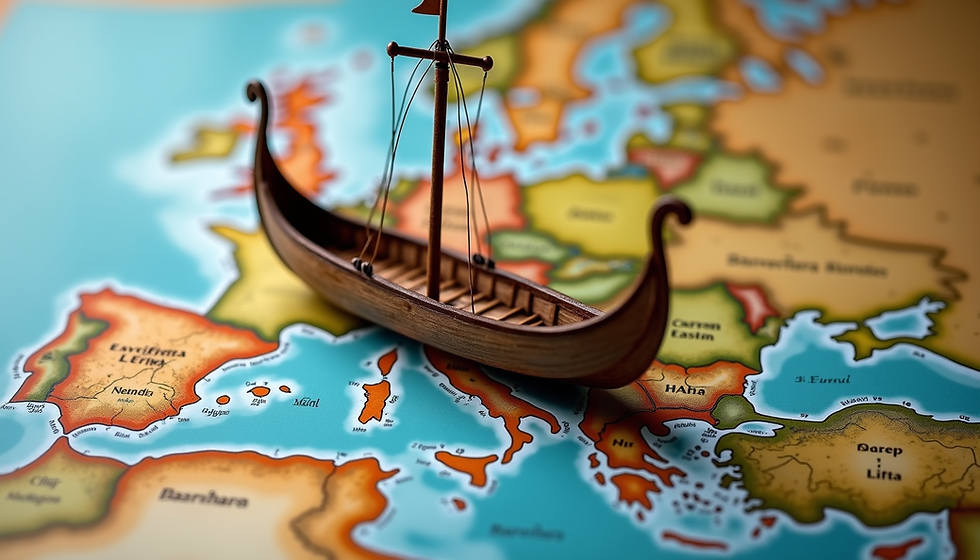
Visual aids are indispensable. Maps showing Viking routes, artefact images, and reconstructed Viking homes provide concrete references. Digital tools like augmented reality apps can further immerse students in the environment of the Dark Ages.
Finally, addressing common misconceptions head-on fosters critical thinking. Discussing the myth of Vikings wearing horned helmets or the oversimplification of their culture invites students to question and research, cultivating a scholarly mindset.

What is a Female Viking Called?
The role of women in Viking society is a subject that often surprises and intrigues learners. Contrary to popular belief, Viking women were not merely passive figures confined to the home. They held significant responsibilities and could wield considerable influence.
A female Viking is often referred to as a Viking woman or shieldmaiden. The term "shieldmaiden" describes women who took up arms and fought alongside men, though historical evidence suggests they were relatively rare. More commonly, Viking women managed households, oversaw farms, and engaged in trade.
Archaeological discoveries, such as the grave of a high-status female warrior found in Birka, Sweden, challenge traditional narratives. This burial included weapons and armour, indicating that some women did participate in combat.
Teaching about female Vikings opens discussions on gender roles, societal structure, and the diversity of experiences in the Viking Age. It also provides a platform to explore how history is interpreted and sometimes distorted.
Educators can enrich lessons by:
Examining sagas featuring strong female characters.
Analysing burial sites and artefacts linked to women.
Encouraging debates on the representation of women in history.
This nuanced perspective helps students appreciate the complexity of Viking society beyond the battlefield.
Integrating Viking History into Modern Curricula
Incorporating Viking history into existing curricula requires thoughtful planning to align with educational standards and learning objectives. The goal is to make the subject relevant and accessible without overwhelming students.
One effective method is to embed Viking history within broader themes such as migration, trade, and cultural exchange. This approach highlights the Vikings' role in shaping medieval Europe and connects with topics students may already be studying.
Project-based learning can also be highly effective. For example, students might:
Research Viking settlements and create detailed maps.
Develop presentations on Viking mythology and its influence on modern culture.
Construct models of Viking ships or homes using craft materials.
These projects foster creativity and collaboration while reinforcing historical knowledge.
Assessment can include a mix of traditional tests and creative outputs like essays, artwork, or digital storytelling. Providing diverse options caters to different learning styles and keeps students motivated.
Moreover, leveraging resources from platforms dedicated to historical storytelling, such as viking history for schools, can enrich lesson plans with multimedia content and expert insights.
Bringing Viking History to Life: Practical Tips for Educators
To truly ignite passion for Viking history education, teachers must go beyond textbooks. Here are some practical tips I have found invaluable:
Use vivid language: Describe the crackling fires of a Viking feast or the salty spray on a longship’s bow to create immersive scenes.
Incorporate music and art: Play traditional Nordic tunes or examine Viking art styles to engage different senses.
Invite guest speakers: Historians or archaeologists can provide firsthand knowledge and answer questions.
Encourage creative writing: Have students compose their own sagas or diary entries from a Viking’s perspective.
Connect to local history: If possible, relate Viking history to nearby archaeological sites or museums.
By blending formal narration with sensory storytelling, educators can craft lessons that resonate deeply and linger in memory.
The saga of the Vikings is a tapestry woven with threads of adventure, culture, and human complexity. Teaching this history in schools is not merely an academic exercise but a chance to awaken curiosity and wonder. Through thoughtful strategies, engaging content, and a passion for storytelling, Viking history education can transform classrooms into portals to the past, inspiring the next generation of explorers and historians.
For monthly updates with occasional free books, complete the contact form.


Comments