
The Rich Tapestry of Norse Mythological Stories
- Eddy Jackson MBE
- Dec 24, 2025
- 5 min read
Updated: Jan 6
Norse mythology is a sprawling saga, a cosmic drama played out across nine worlds connected by the mighty Yggdrasil, the World Tree. Each tale bursts with vivid imagery—the thunderous roar of Thor’s hammer, Mjölnir, the shimmering beauty of Freyja’s necklace, Brísingamen, and the cunning of Loki, the trickster god whose mischief shapes destinies.
These stories are more than myth; they are a window into the Viking psyche. They reveal a people who saw the universe as a battleground of elemental forces, where gods and mortals alike must face their fate with courage. The gods themselves are complex beings—flawed, passionate, and fiercely loyal. Odin, the Allfather, sacrifices an eye for wisdom; Thor defends Asgard with thunderous might; and Freyja commands both love and war.
The Cultural Context of Norse Mythology
To truly appreciate these tales, one must understand the cultural context. The Vikings lived in a harsh, unforgiving environment where survival depended on strength and cunning. Their myths reflect this reality, celebrating heroism and the relentless struggle against the unknown.
Norse mythology is not just a collection of stories; it is a reflection of the values and beliefs of a people. The tales encapsulate their understanding of life, death, and the cosmos. They teach lessons about bravery, loyalty, and the importance of community. Each character embodies traits that were essential for survival in the Viking Age.

The Enduring Appeal of Norse Mythological Stories
What captivates me most about Norse mythology is its timeless relevance. These stories have transcended centuries, inspiring literature, art, and popular culture worldwide. From Wagner’s operas to modern fantasy novels and blockbuster films, the echoes of these ancient legends resonate deeply.
The narrative structure of Norse myths is compelling—a blend of tragedy and triumph, where even the gods are not immune to fate. Ragnarok, the prophesied end of the world, is a dramatic crescendo where heroes fall and the cosmos is reborn. This cycle of destruction and renewal mirrors natural rhythms and human experience, making the myths profoundly relatable.
For educators and students, these stories offer rich material for exploring themes such as heroism, morality, and the human condition. They also provide insight into Viking society, their values, and worldview. By engaging with these myths, learners can connect with history on a visceral level, beyond dates and facts.
Exploring Norse Mythology: Practical Recommendations
Practical recommendations for exploring Norse mythology include reading primary sources like the Poetic Edda and Prose Edda, which compile many of these ancient tales. Visiting museums with Viking artefacts or attending reenactments can also bring the stories to life. Digital platforms like Asta’s Horae offer immersive experiences that blend storytelling with historical accuracy, making the past accessible and engaging.
These resources allow us to dive deeper into the narratives. They provide context and background, enriching our understanding of the characters and events. Engaging with these materials can ignite a passion for history and storytelling.

What did the Norse call Jesus?
The arrival of Christianity in the Viking world introduced new spiritual dimensions, but the Norse did not simply abandon their old beliefs. Instead, they often integrated Christian figures into their worldview in unique ways. Jesus, for example, was sometimes referred to with terms that reflected Norse cultural understanding.
In some sagas and historical texts, Jesus was called "Kristr," a Norse adaptation of Christ. However, the Norse also used descriptive titles that emphasised his role as a divine figure and a bringer of salvation, concepts that resonated with their own gods’ attributes. This blending of beliefs illustrates the complex religious landscape during the Viking Age, where pagan and Christian ideas coexisted and influenced each other.
Understanding this syncretism is crucial for historians and educators. It highlights how cultural exchange shapes religious identity and how mythology evolves over time. For students, exploring these intersections can deepen their appreciation of history’s fluidity and the human quest for meaning.
The Gods and Giants: Forces of Creation and Destruction
At the heart of Norse mythology lies the eternal conflict between the Aesir gods and the Jotnar, the giants. This cosmic struggle is not merely good versus evil but a dynamic interplay of opposing forces that sustain the universe.
Odin, the wise and enigmatic Allfather, leads the Aesir with a thirst for knowledge that borders on obsession. His quest for wisdom is legendary—he hung from Yggdrasil for nine days and nights, sacrificing himself to himself to gain the secrets of the runes. This act of self-sacrifice embodies the Norse ideal of enduring hardship for greater understanding.
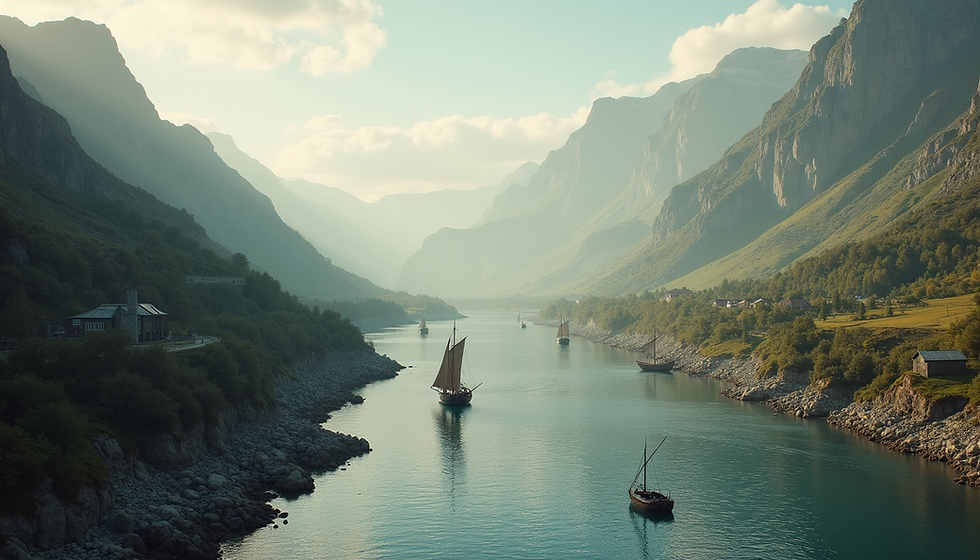
Thor, the thunder god, is the protector of gods and humans alike. His hammer, Mjölnir, is a symbol of power and protection, capable of leveling mountains and vanquishing giants. Thor’s adventures are filled with vivid, sensory details—the crackling thunder, the smell of ozone, the fierce battle cries echoing across the fjords.
The giants, though often antagonists, are not mere villains. They represent the wild, untamed forces of nature and chaos. Their interactions with the gods are complex, sometimes hostile, sometimes cooperative. This nuanced portrayal reflects a worldview that acknowledges the necessity of balance between order and disorder.
For those studying Norse mythology, these characters offer rich archetypes to analyse. Their stories provide fertile ground for discussions on mythology’s role in explaining natural phenomena and human psychology.
The Legacy of Norse Mythology in Modern Culture
The influence of Norse mythology extends far beyond ancient texts. Today, it permeates popular culture, from comic books and video games to films and television series. Characters like Thor and Loki have become household names, their stories reimagined for new audiences.
This modern resurgence offers exciting opportunities for education and engagement. By connecting ancient myths with contemporary media, platforms like Asta’s Horae can captivate learners and spark curiosity about history. Interactive storytelling, augmented reality, and digital archives make these legends accessible and immersive.
Moreover, Norse mythology’s themes of heroism, fate, and transformation resonate universally. They invite us to reflect on our own lives and the forces that shape us. For history enthusiasts and students alike, exploring these myths is not just an academic exercise but a journey into the human spirit.
Incorporating Norse mythology into curricula or public history projects can enrich understanding and appreciation of the Viking Age. It encourages critical thinking about sources, cultural context, and the power of narrative.
Conclusion: The Living Tradition of Norse Mythology
As I continue to explore these ancient tales, I am reminded that mythology is a living tradition. It evolves, adapts, and endures, much like the people who first told these stories around flickering fires in the long, dark nights of the North.
By immersing ourselves in the legends of Norse mythology, we unlock a treasure trove of history, culture, and imagination. These stories, vibrant and visceral, invite us to step into a world where gods walk among mortals, and destiny is forged in the fires of courage and sacrifice. Through careful study and creative storytelling, we can keep these ancient voices alive, inspiring generations to come.
FREE NEWSLETTER AND BOOKS
Comments