
Engaging Kids with Fun Viking Stories for Children
- Dec 9, 2025
- 4 min read
The crackle of a roaring fire, the scent of pine and salt air, and the rhythmic pounding of oars against the sea - these are the vivid backdrops to the world of the Vikings. Their tales, steeped in adventure, mystery, and heroism, have captivated imaginations for centuries. Yet, how do we bring these ancient sagas alive for young minds? How can we transform dusty history into thrilling narratives that spark curiosity and wonder? I have found that weaving fun Viking stories for children into learning not only educates but also enchants, making history a living, breathing experience.
The Magic of Fun Viking Stories for Children
Viking stories are not just about warriors and battles; they are rich tapestries of culture, mythology, and everyday life. When shared with children, these tales become portals to a world where gods walk among mortals, dragons guard treasures, and brave explorers sail into the unknown. The key to engagement lies in storytelling that balances fact with fantasy, creating a narrative that is both informative and irresistible.
Imagine a story where young Thor, the thunder god, wields his mighty hammer Mjölnir, protecting his village from frost giants. Or a tale of a clever Viking girl who outsmarts a sea serpent to save her family. These stories, bursting with vivid imagery and action, ignite the imagination and invite children to explore history through a lens of excitement.
To make these stories accessible, I recommend using simple language peppered with descriptive phrases that paint pictures in the mind. For example:
The longship sliced through the icy waves, its dragon-headed prow roaring like a beast.
The flicker of torchlight danced on the carved wooden walls of the mead hall.
Such sensory details help children feel as if they are part of the saga, walking alongside the characters.

How to Explain Vikings to Kids?
Explaining Vikings to children requires a delicate balance of truth and imagination. The Vikings were fierce warriors, yes, but they were also farmers, traders, and storytellers. I find it effective to start with the basics: who the Vikings were, where they came from, and what their daily lives looked like. Then, I introduce the myths and legends that surrounded them.
Here are some practical tips:
Use relatable comparisons: Describe Viking homes as wooden houses with thatched roofs, similar to cottages they might see in storybooks.
Highlight Viking values: Emphasise bravery, loyalty, and exploration, qualities children admire.
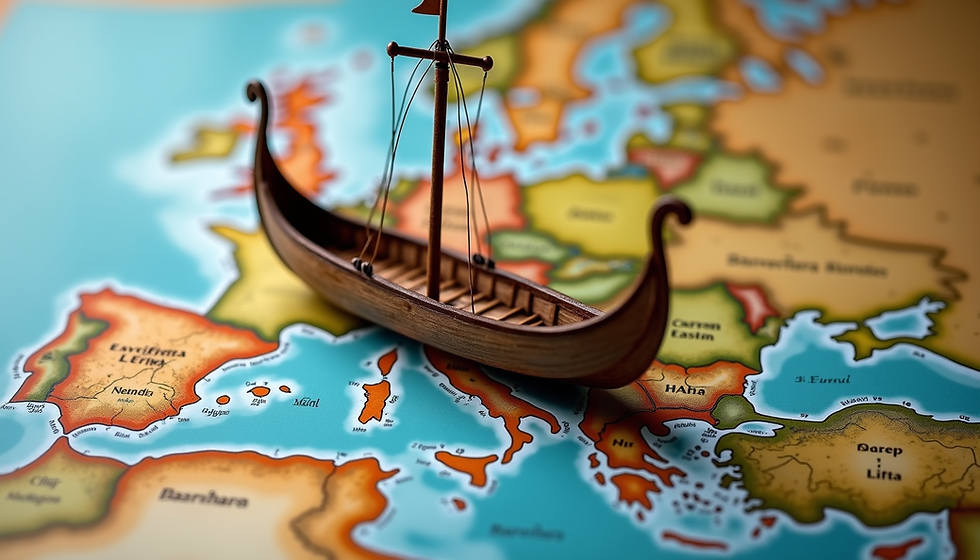
Incorporate interactive elements: Use maps to show Viking voyages or crafts to build miniature shields.
Tell stories with characters: Focus on individual Vikings, real or mythical, to personalise history.
Address misconceptions: Clarify that Vikings did not wear horned helmets, a common myth.
By framing Vikings as complex people with rich cultures, children gain a nuanced understanding that goes beyond the stereotype of raiders.

Bringing Viking Tales to Life Through Storytelling
Storytelling is an art, and when it comes to Viking tales, it demands a blend of drama, rhythm, and vivid description. I often begin with a hook - a mysterious event or a daring quest - to capture attention immediately. For example:
"In the heart of a stormy night, the village lay silent, save for the distant howl of wolves. Suddenly, a shadow moved across the fjord, a longship cutting through the darkness like a silver arrow..."
Using short, punchy sentences alongside longer, flowing ones creates a rhythm that keeps listeners engaged. I also encourage the use of expressive verbs and alliteration to add texture:
The fierce flames flickered and flared, casting ghostly shadows on the ancient stones.
Bold Bjorn battled the beast beneath the blood-red sky.
Incorporating sensory details - the clang of swords, the salty spray of the sea, the warmth of a hearth - helps children immerse themselves fully in the story.
To deepen engagement, I suggest involving children in the storytelling process. Ask them to imagine what the Viking heroes might see, hear, or feel. Invite them to create their own endings or to draw scenes from the tales. This active participation transforms passive listening into an interactive adventure.
Using Viking Stories for Kids to Inspire Learning
Viking tales are not just entertaining; they are powerful educational tools. They open doors to history, geography, language, and even ethics. By integrating these stories into lessons, educators can create a multidisciplinary experience that resonates deeply.
Here are some actionable recommendations:
Create thematic units: Combine stories with activities about Viking ships, runes, or Norse gods.
Use multimedia resources: Videos, audio recordings, and digital storytelling platforms can bring the sagas to life.
Encourage creative writing: Have children write their own Viking adventures, fostering literacy and imagination.
Explore historical artefacts: Virtual museum tours or replicas can connect stories to real-world history.
Discuss moral lessons: Many Viking tales contain themes of courage, honour, and friendship, which can prompt meaningful conversations.
For those seeking a treasure trove of engaging narratives, I recommend exploring viking stories for kids. This resource offers a rich collection of tales designed to captivate and educate simultaneously.
The Lasting Impact of Viking Stories on Young Minds
The power of storytelling lies in its ability to create lasting impressions. When children engage with Viking tales, they do more than learn facts; they develop empathy, critical thinking, and a passion for history. These stories become a bridge connecting the past to the present, making ancient times relevant and exciting.
Moreover, the rhythmic cadence and vivid imagery of Viking sagas nurture language skills and cultural awareness. They invite children to explore different worldviews and appreciate the complexity of human experience.
In my experience, the most successful storytelling blends measured narration with bursts of vivid description, alternating between complex sentences and short, dramatic lines. This dynamic style mirrors the ebb and flow of the Viking world itself - sometimes calm and reflective, other times fierce and thrilling.
By embracing this approach, we can ensure that Viking stories remain not just tales of old but vibrant adventures that inspire generations to come.
Engaging children with Viking tales is more than a teaching method; it is an invitation to journey through time, to feel the pulse of history, and to awaken the imagination. Through carefully crafted stories, vivid descriptions, and interactive learning, the Vikings' legacy continues to sail across the seas of young minds, forever adventurous, forever alive.

Comments